 hello@skill-dev.ai



The task
A team of SEO specialists worked remotely, from different places, but on shared projects. Every operator kept their own toolset on their own machine, configs drifted apart, and the shared context of the work got lost between people.
They needed one stable, secure environment where several operators work at the same time: shared projects, a single Git, shared history, and the same toolset for everyone.
What we deployed
On a dedicated VPS (Ubuntu 22.04/24.04 LTS) we built an isolated working environment and set up remote development through Remote-SSH in VS Code. Operators connect to one server and work in a shared project space.
- A single workspace with shared site projects, Git repositories, and work history.
- Three simultaneous SSH connections: two from the client's work machines and one from the lead's PC.
- One shared toolset and environment, identical for every operator.
Architecture
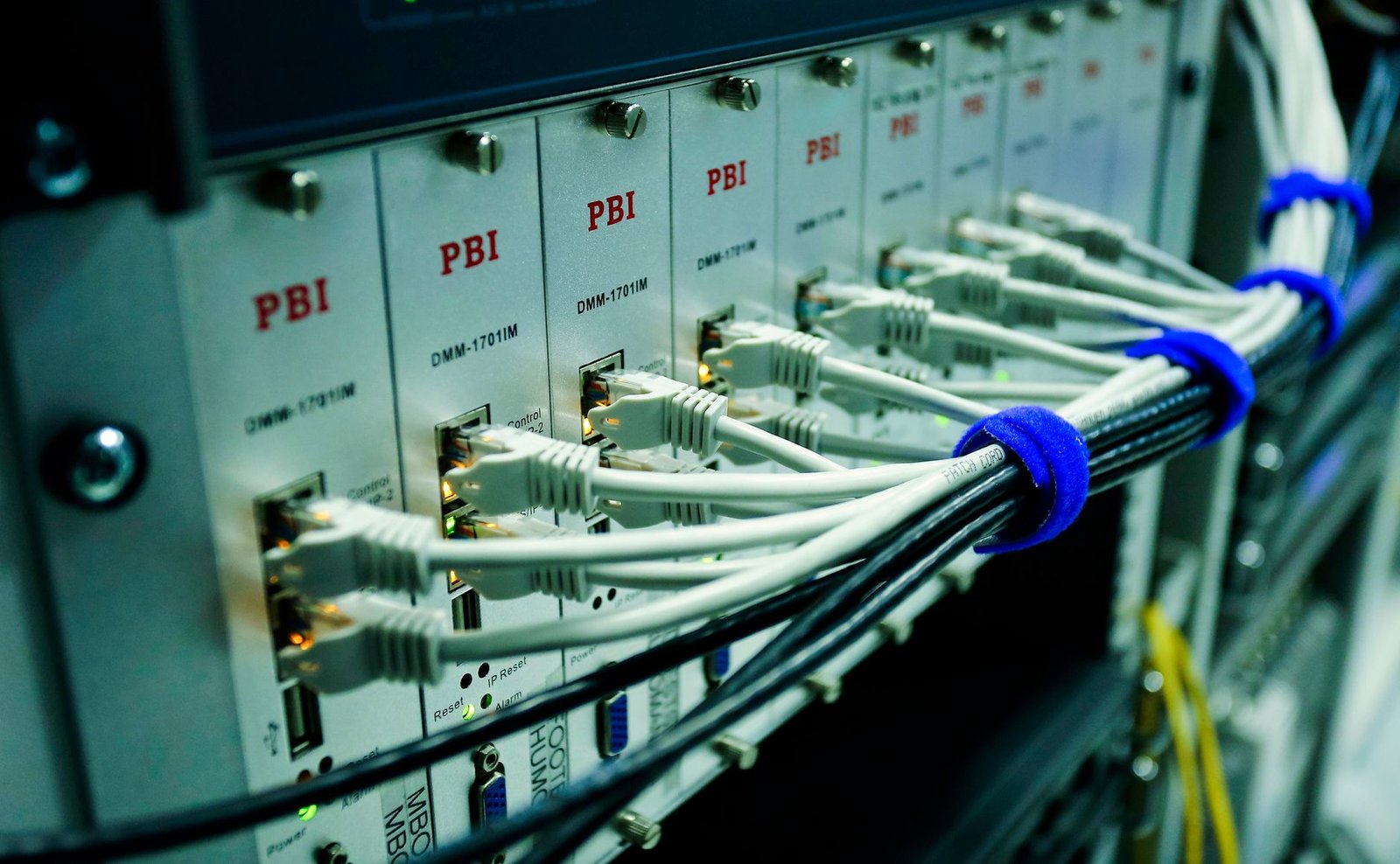
At the center is a dedicated VPS, and the team's workstations from different locations connect to it over secured SSH channels. Everyone works in one user space on the server, so projects, repositories, and history stay shared instead of scattering across personal computers.
Security
Access to the server is locked down properly, no passwords and no extra open doors:
- SSH keys only (ed25519); password authentication disabled.
- UFW firewall and fail2ban against brute force and suspicious activity.
- Automatic system and security updates.
- Only the minimum required ports are open; everything else is closed.
Connection stability
So long working sessions don't drop, we set up autossh to restore connections automatically and tmux/screen for long-lived sessions. An operator can disconnect and come back exactly where they left off, while background tasks keep running.

Performance
For several operators working in parallel and tools with long context, we provisioned resources with headroom: 8–16 vCPU, 32+ GB RAM, SSD. The environment stays responsive even when several people work at once and run heavy jobs.
SEO automation
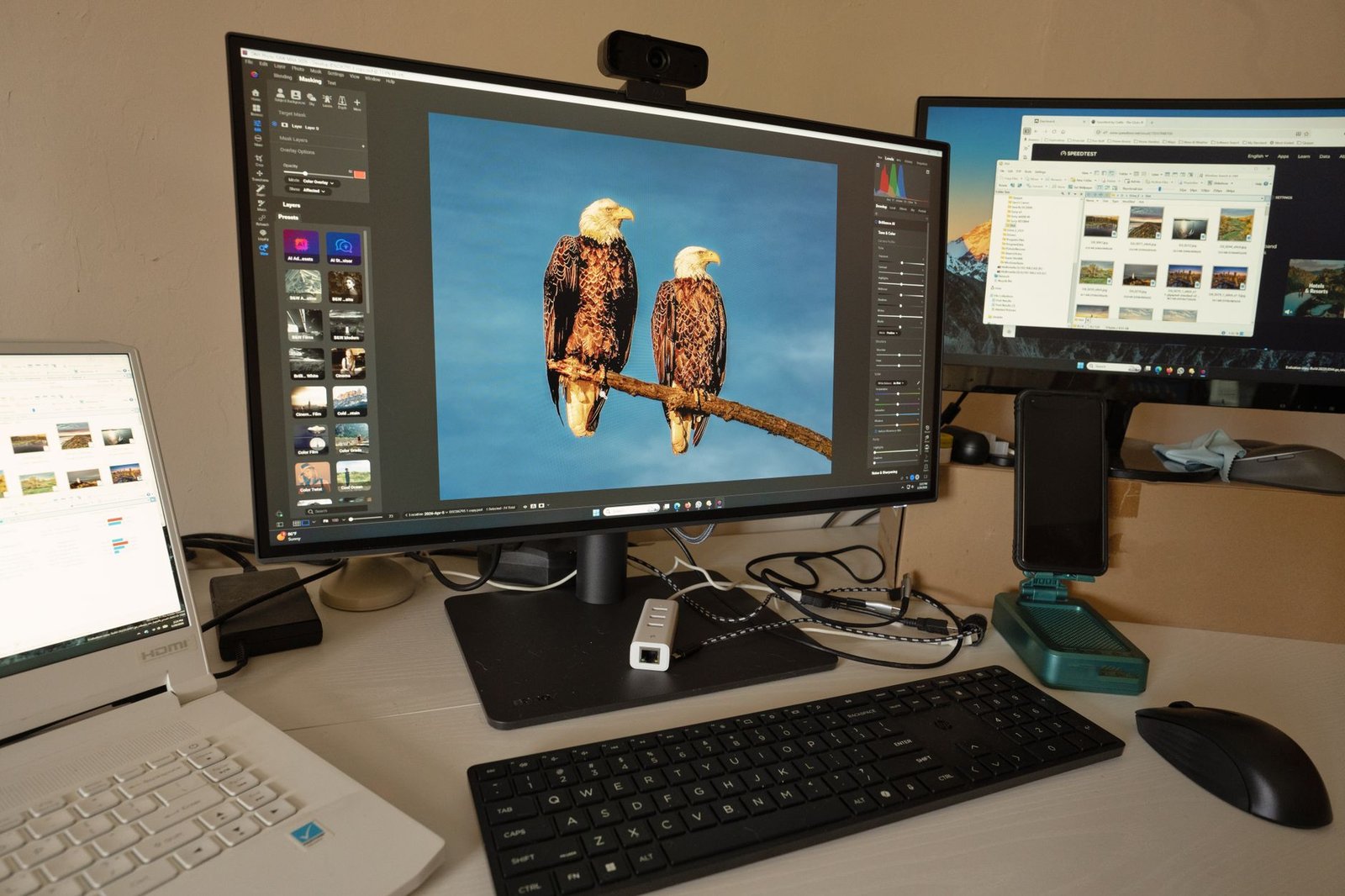
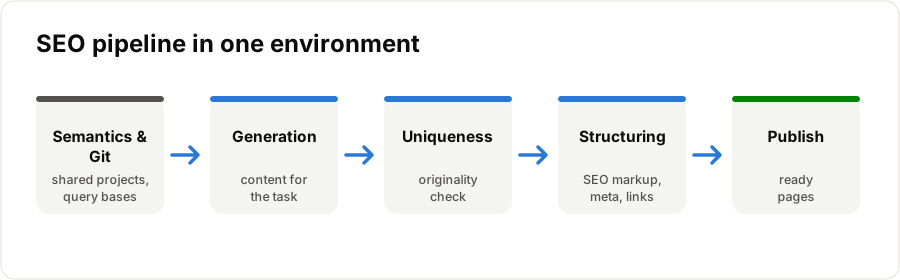
On top of the environment we built working pipelines for the team's tasks: from semantics collection to ready pages, all in one shared pipeline.
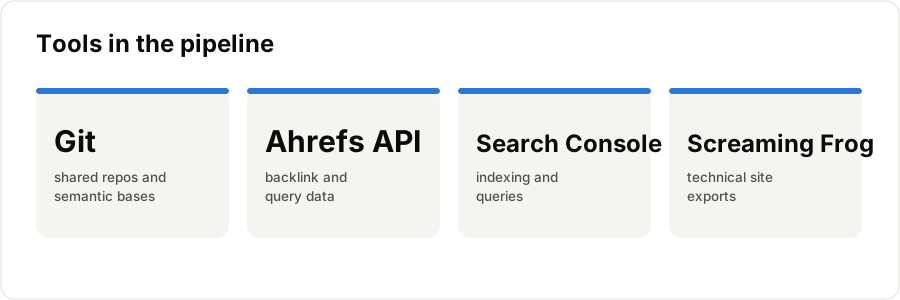
The pipelines are wired into the team's familiar tools: shared Git repositories and semantic bases, Screaming Frog exports, Ahrefs API and Google Search Console data.
The outcome
The client got a working, scalable tool. Three operators work in one environment at the same time, without config drift or lost context between people.
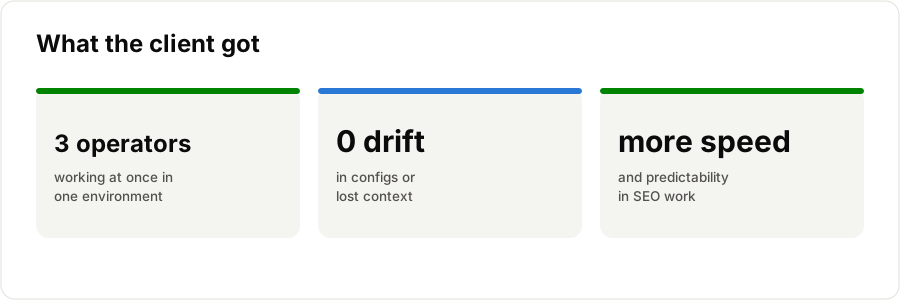
The speed and predictability of SEO work grew noticeably: page generation and optimization, technical work, and query clustering all run through a shared pipeline.
Our role
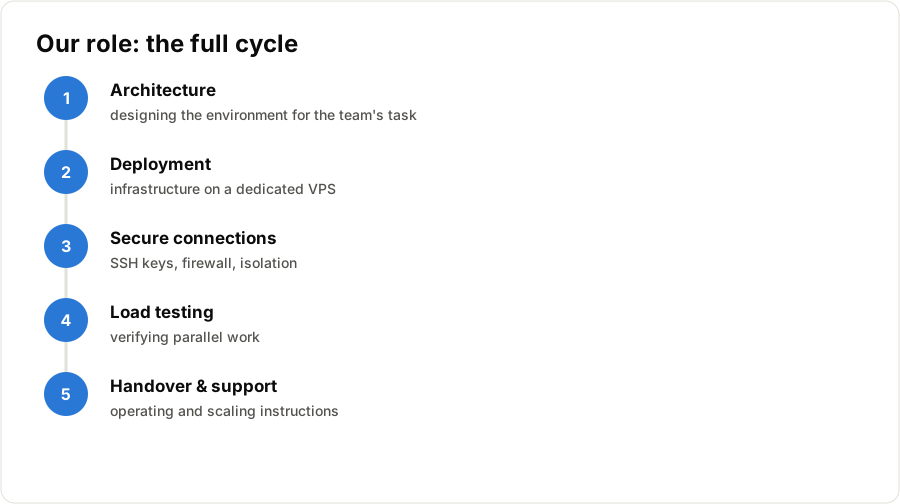
The full cycle: from architecture to handover and support. The project is in production and running.
Need a similar environment or your own team infrastructure?